
At first glance, delayed ejaculation might sound like a good thing. After all, you can have sex for as long as you like without ending the pleasure with your orgasm. But that’s not the whole picture. Many who have delayed ejaculation have other issues in the bedroom. Maybe their penis isn’t sensitive enough to climax when they want to. If this sounds like you, find out what might be causing your issue and how to regain your sensitivity.
Where Lost Penile Sensitivity Begins
Sometimes, penis insensitivity and delayed ejaculation have been a lifelong struggle. Other times, a change in your body, medication, partner, or even mental health has brought about a new and unpredictable change in your erection. Or it may be your perception or expectation of how sex should be that is making your experience of sex and self-pleasure less enjoyable. Further, your sexual habits could be the culprit behind your newfound insensitivity.
Health issues like diabetes can take a toll on your sexual pleasure. If you have a physical condition of that nature, it’s always important to discuss your options with your doctor. Multiple sclerosis, autoimmune disorders, and any sort of nerve conditions could be why you’re experiencing a change in sexual function. Your doctor may want to test your hormone levels to find out if they are within the normal range.
Mental issues such as OCD or performance anxiety can make ejaculation difficult. Intrusive thoughts can redirect your mind from pleasure and connection to something traumatic or anxiety-inducing. This lengthens the amount of time it takes to reach orgasm, and you may be starting from scratch each time your mind gets off track.
The Misunderstood Role of Medication
Medications may cause a loss of sensation, too. GLP-1s are all the rage, but there haven’t been enough studies yet to know how they affect your sexual desire and function. Certain categories of antidepressants can affect both your libido and your ability to climax. If you’re taking prescription medication, alert your doctor if you are experiencing sexual impairment.
If medications can inhibit orgasm, the natural next question is whether they can also help you climax. The answer is rather disappointing: more information is needed. Few studies have been completed on how effective medications are at increasing orgasm likelihood. For now, it seems that prescriptions are more likely to get in the way of sexual pleasure, so it’s worth finding out if there are other meds with fewer side effects that could inhibit your sex life.
Loosening Up
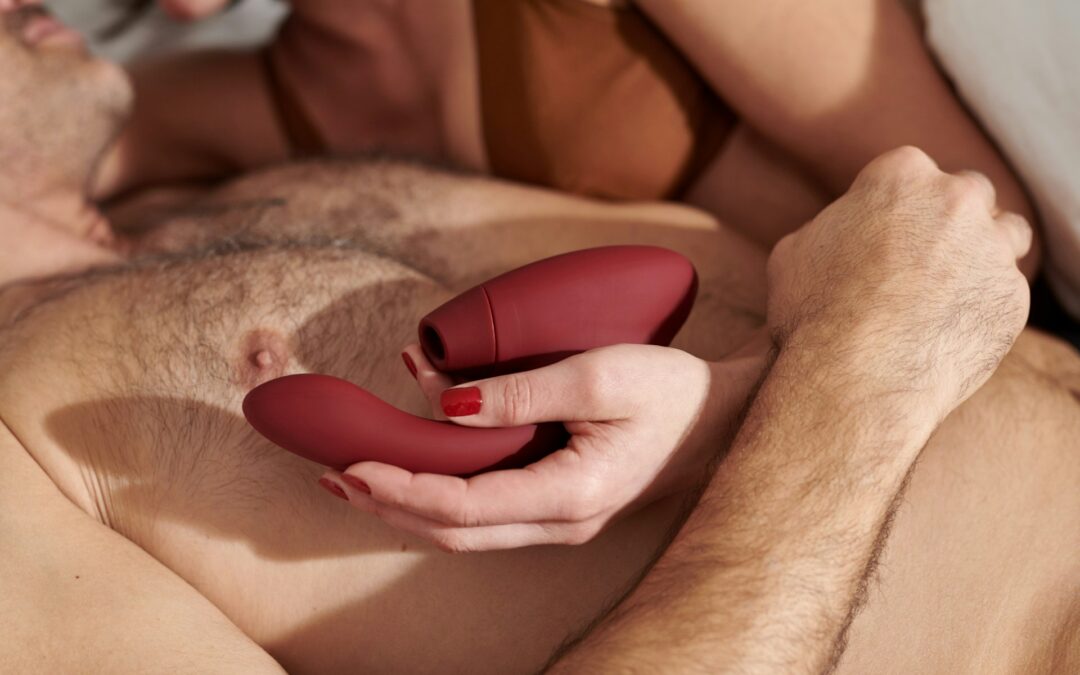
How you masturbate matters. Some people masturbate very roughly, using what is referred to as a “death grip.” This amount of pressure, applied consistently, can result in your penis expecting that amount of sensation in order to achieve orgasm. When you have sex with a partner, it’s unlikely that their vagina or anus will be able to replicate that kind of intensity, so it may be difficult to stay erect or climax. If you’re having trouble with gripping too tightly, you may want to invest in a toy that keeps you from overstimulation during masturbation.
Age Is More Than Just a Number
As you get older, you may experience delayed ejaculation. Aging changes your body in a constellation of ways, and everyone experiences this differently. If your hormones are changing, your doctor may be able to help. Sometimes, life experiences that come with age can change how you experience sex, like the death of a partner, a divorce, or trauma. Physiological changes are best addressed by medical help, but some life experiences can be worked through with psychological guidance.
Managing Delayed Ejaculation
It’s a good idea to try different ways of climaxing at any point in life, but especially for those who find themselves having sudden difficulty with the tried-and-true methods. If your erection isn’t behaving the way you’d like, trying prostate pleasure can be game-changing.
Talking to your partner is crucial. If you haven’t talked about why you’re having new difficulties, your partner may assume it is tied to your interest level in them. The earlier you can have this conversation, the better. Shame about your symptoms can lead you to put off telling your doctor or partner. The longer you wait, the more impossible it can feel to discuss. The more time that passes, the larger it may loom in your mind. Opening the lines of communication early is helpful, but if you’ve already waited, now is the time to bring it up.
If you’re concerned about your partner losing their erection during sex, don’t miss my video on why this might be happening:
Making Progress
When you’re ready for relief, reach out to schedule a free consultation with me.
Check out some of our FAQ’s:
Does Dr. Nazanin Moali offer in-person sex therapy in Los Angeles?
Yes. Dr. Nazanin Moali offers in-person one-on-one therapy sessions for clients in the Los Angeles area at her office in Hermosa Beach, California.
Where is Dr. Nazanin Moali’s office located?
Dr. Moali’s office is located at:
2200 Pacific Coast Hwy, Suite 210
Hermosa Beach, CA 90254-2701
Does Dr. Nazanin Moali offer therapy in Hermosa Beach, California?
Yes. Dr. Moali provides in-person therapy sessions in Hermosa Beach, serving individuals and couples seeking support with intimacy, relationships, sexuality, and emotional well-being.
Is virtual sex therapy effective?
Research shows that virtual therapy can be highly effective for many relationship and sexual concerns. Online sessions provide convenience, privacy, and access to professional support from the comfort of your home.
Can I work with Dr. Nazanin Moali if I don’t live in Hermosa Beach?
Depending on licensing requirements and your location, virtual therapy options may be available. Contact Dr. Moali’s office to learn more about availability and eligibility for online sessions.
Spice Up Your Social Media Feed AND Your Sex Life: Follow Us On Instagram